Introduction
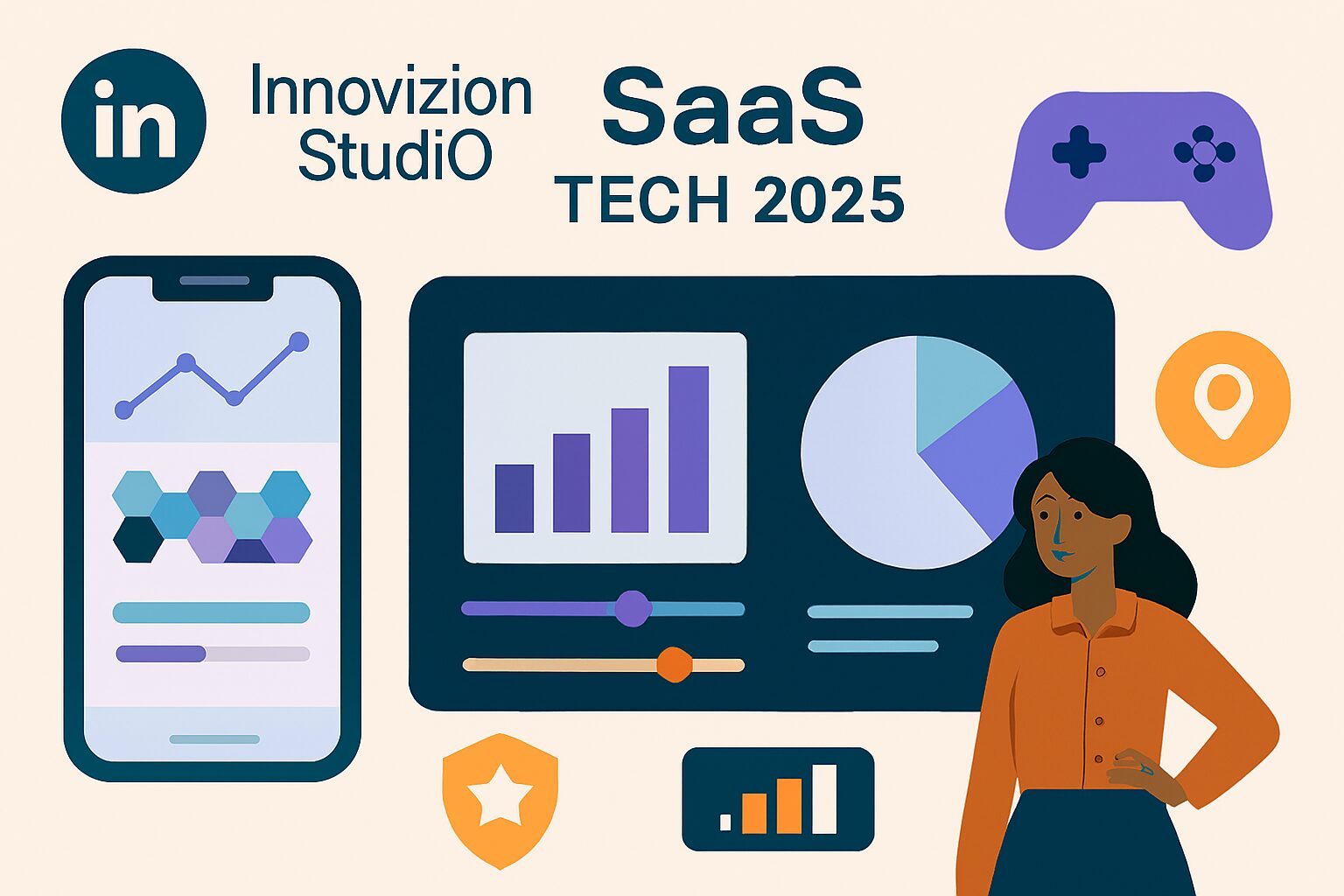
The SaaS industry is evolving at lightning speed, and UI/UX Design Trends for SaaS Startups in 2025 are redefining how companies attract, engage, and retain users. In a market where functionality is no longer enough, design has become the differentiating factor that separates thriving SaaS startups from those that struggle to gain traction. Startups in India, in particular, are realizing that adopting the latest UI/UX design trends for SaaS Startups in 2025 is not just about aesthetics—it’s about building trust, simplifying user journeys, and driving long-term growth.
According to Statista, the global SaaS market is projected to surpass USD 300 billion by 2025, with Indian startups emerging as key contributors. In this competitive landscape, UI/UX Design Trends for SaaS Startups in 2025 are shaping the strategies of both new players and established SaaS leaders. Whether it’s personalization, accessibility, or mobile-first experiences, startups that embrace these trends are gaining a significant edge.
For example, Zoho and Freshworks—two of India’s leading SaaS success stories—have consistently leveraged modern SaaS UI design trends to enhance usability. From intuitive dashboards to seamless onboarding, their products demonstrate how modern UI/UX design in 2025 helps SaaS businesses win user loyalty worldwide. Smaller startups, too, are discovering that even incremental improvements in design—like smarter onboarding or data visualization—can dramatically improve user adoption and retention.
What makes UI/UX Design Trends for SaaS Startups in 2025 so powerful is their focus on user-centricity. Instead of overwhelming customers with features, these trends prioritize clarity, accessibility, and personalized engagement. Whether you’re a SaaS founder building your first MVP or a scaling startup competing globally, paying attention to these design principles is crucial.
In this blog, we’ll explore the top UI/UX Design Trends for SaaS Startups in 2025, backed by real-world insights, examples from Indian SaaS companies, and actionable strategies for implementation. From gamification to privacy-first UX, these trends are not just futuristic buzzwords—they are practical design shifts that can transform your SaaS product into a user favorite.
1. Personalization at Scale
Users expect products that understand their needs. In 2025, personalization is no longer limited to e-commerce or media—it has become a core SaaS UX principle. Startups are leveraging AI and data analytics to create personalized dashboards, customized workflows, and tailored content recommendations. For example, a SaaS CRM startup might automatically adjust features for B2B vs. B2C users, improving relevance and usability.
This trend helps startups boost retention because users feel the product adapts to them rather than the other way around. For Indian SaaS startups, personalization can also mean supporting regional languages or offering industry-specific modules, which makes products more inclusive.
2. Minimalist Dashboards with Maximum Data Impact
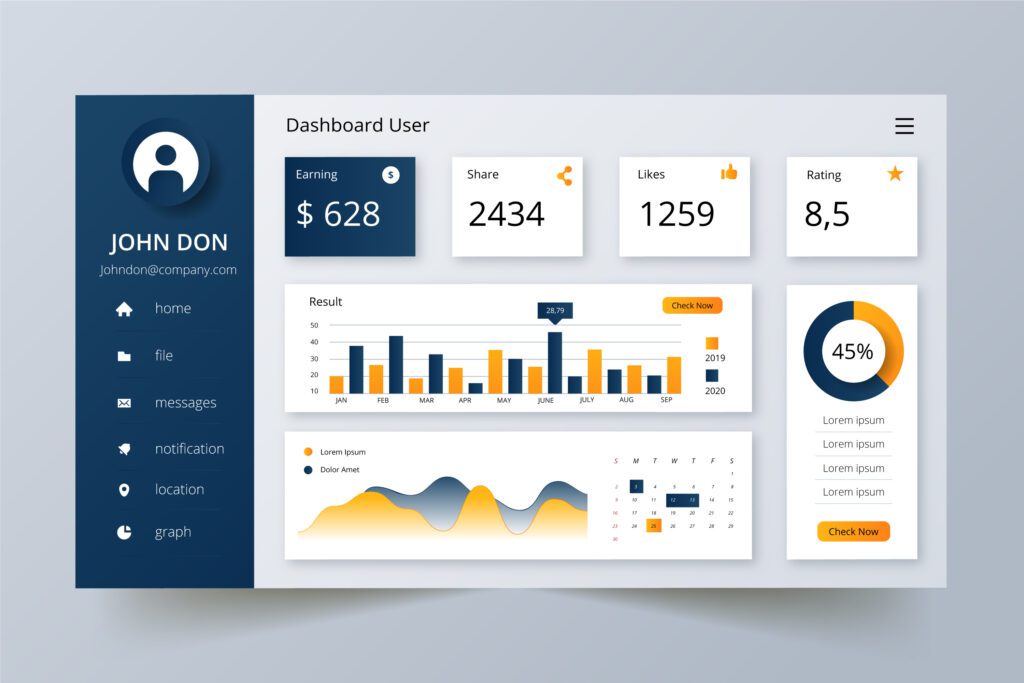
One of the biggest challenges in SaaS is information overload. In 2025, successful SaaS products are using minimalist design principles to simplify dashboards while still delivering maximum data clarity. The idea is to highlight key metrics, provide progressive disclosure for complex data, and use clean layouts that reduce cognitive load.
For instance, HR SaaS tools are presenting only the most critical employee KPIs upfront, while allowing deeper insights through expandable sections. A well-designed dashboard not only improves usability but also boosts decision-making for business leaders. If you’re building dashboards, focus on clarity, not clutter.
👉 Learn more about our UI/UX & Web Design services.
3. Voice-Enabled Interfaces
As voice technology becomes mainstream, SaaS platforms are increasingly adopting voice-enabled navigation. Imagine a project management tool where managers can ask, “Show me overdue tasks for Team A” instead of manually filtering. This not only improves accessibility but also reduces the time required to perform complex operations.
In India, where mobile usage dominates, voice commands are particularly powerful for SaaS startups targeting non-tech-savvy audiences. This makes SaaS products more inclusive, especially in industries like logistics, HR, and healthcare.
4. Accessibility-First Design
Accessibility is no longer optional—it’s a core requirement for SaaS success. With diverse audiences, including people with visual, hearing, or motor impairments, startups that design with WCAG compliance are able to serve wider markets.
This trend includes offering dark mode, adjustable font sizes, and keyboard navigation. Some Indian EdTech SaaS platforms are already adopting bilingual accessibility features, allowing students in rural India to access learning in their local language. Prioritizing accessibility not only increases inclusivity but also boosts your brand reputation as socially responsible.
5. Micro-Interactions and Motion UI
Small details matter in SaaS UX. Micro-interactions—subtle animations, hover effects, or progress indicators—create engaging and intuitive experiences. They guide users, confirm actions, and make the product more interactive.
For example, a SaaS invoicing app could use motion UI to animate the payment confirmation process, giving users a sense of accomplishment. These small touches enhance user satisfaction and differentiate your SaaS product in a highly competitive market.
Learn how to master these with Google Digital Garage.
6. Mobile-First SaaS Experiences
India is a mobile-first economy, and SaaS startups must prioritize responsive, mobile-friendly interfaces. In 2025, mobile SaaS design goes beyond scaling down web apps—it requires rethinking the entire user journey for smaller screens.
For example, Indian HR SaaS startups are now offering complete employee onboarding on mobile apps, ensuring flexibility for distributed teams. SaaS products optimized for mobile not only expand reach but also increase engagement among younger, tech-savvy professionals.
7. Gamification for User Retention
Gamification is emerging as a major trend in UX design best practices for startups. By integrating rewards, progress trackers, and achievement badges, SaaS products can increase user motivation and engagement.
This is particularly effective in EdTech, health-tech, and HR SaaS platforms, where retaining users is critical. For example, an EdTech SaaS platform in India used gamified learning paths and saw student engagement increase by 40%. Gamification makes SaaS usage fun while driving long-term loyalty.
8. Seamless Third-Party Integrations
Modern SaaS users expect products to integrate smoothly with the tools they already use. In 2025, seamless third-party integrations are becoming a UX design essential.
For example, an accounting SaaS that integrates directly with Shopify, PayU, or Razorpay can offer a unified experience, reducing friction for users. Indian SaaS startups that design integration-friendly interfaces gain a competitive edge by simplifying workflows for businesses.
👉 Explore our Web Development Services to create SaaS-ready integrations.
9. Privacy-First UX Design
With growing concerns over data privacy, SaaS startups must adopt privacy-first design principles. Transparent policies, easy-to-understand permissions, and opt-in/opt-out controls are no longer nice-to-haves—they’re must-haves.
For Indian startups, this trend is particularly critical in sectors like FinTech, HealthTech, and HR Tech, where sensitive user data is involved. A privacy-first design builds trust, which is essential for scaling SaaS businesses.
10. Data Visualization with Storytelling
SaaS products are data-driven, but raw numbers don’t always create impact. In 2025, SaaS UI/UX design is shifting toward data storytelling—using visuals, context, and narrative to present insights.
For example, a sales SaaS platform may not just show revenue charts but also tell the story of growth trends, bottlenecks, and future forecasts. This makes data more actionable for decision-makers. A strong data visualization approach sets SaaS startups apart as partners in growth, not just software providers.
👉 Check out our Digital Marketing & Ads services to see how visuals drive engagement.
Challenges for SaaS Startups in India
Despite these trends, many SaaS startups face challenges:
- Budget constraints for advanced design.
- Talent shortages in UI/UX design expertise.
- Competition from global SaaS products.
- Scaling issues, especially in ensuring consistent design across platforms.
Strategies to Succeed
- Partner with a full-service creative agency like Innovizion Studio.
- Conduct user research and prototyping before development.
- Maintain design consistency across web, mobile, and marketing channels.
- Use A/B testing to validate UI changes.
- Track ROI with engagement analytics.
Conclusion
By adopting these UI/UX design trends for SaaS startups in 2025, Indian startups can create not just functional tools but delightful user experiences that drive retention and growth. From personalization to privacy-first design, each trend equips startups to compete with global players while staying relevant to Indian audiences.
👉 Ready to upgrade your SaaS product with modern design? Explore our services or contact us today.