Introduction: Why AI-Powered Personalization in Web Design Matters for Indian Startups
In today’s hyper-competitive digital market, AI-powered personalization in web design is transforming how startups engage with users. Indian startups now face the challenge of creating websites that not only look visually appealing but also respond intelligently to each visitor’s preferences. Traditional static websites no longer suffice. Users expect experiences tailored to their behavior, location, and interests—and AI makes that possible.
From fintech startups in Bengaluru tailoring dashboards to user habits, to e-commerce brands in Delhi offering dynamic product suggestions, personalized website experiences are proving critical for growth. According to Statista, over 70% of consumers globally prefer brands that provide personalized interactions—a trend that is rapidly growing in India.
AI in UX design allows startups to create websites that adapt in real time, improving usability, engagement, and conversion. By analyzing user behavior, predicting intent, and automating design decisions, AI ensures that every visitor sees the right content at the right time.
At Innovizion Studio, we specialize in combining AI insights with human creativity to craft personalized website experiences that are functional, intuitive, and visually compelling. This blog explores 5 powerful ways AI-powered personalization in web design can help Indian startups stand out, increase conversions, and create lasting customer loyalty.
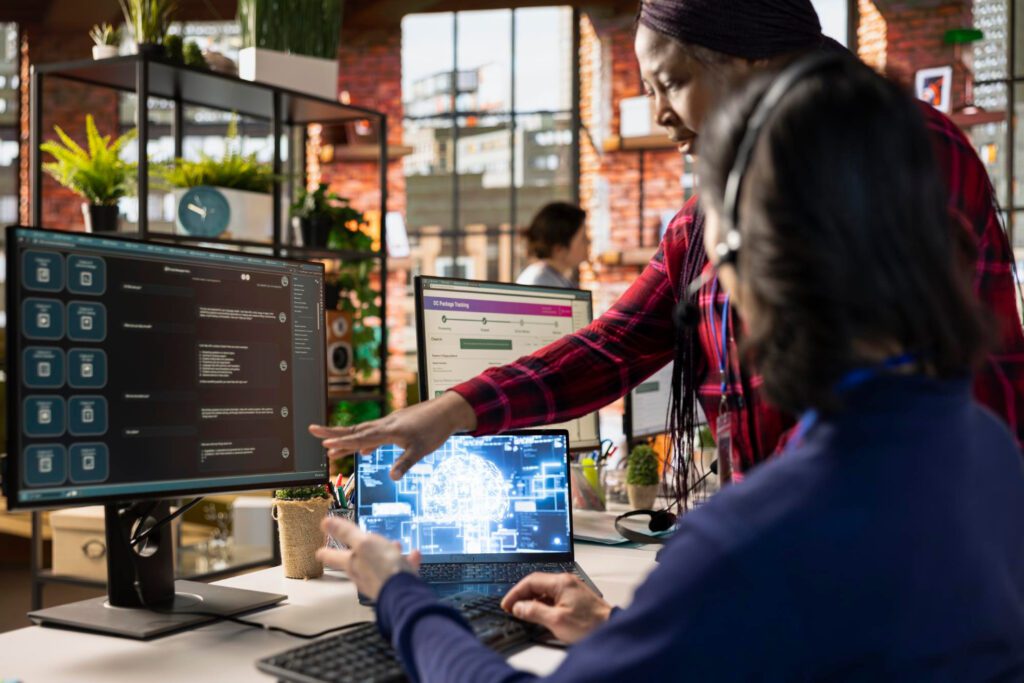
1. Dynamic Content Personalization
One of the core benefits of AI-powered personalization in web design is the ability to display dynamic content tailored to each visitor. AI analyzes data such as browsing history, purchase patterns, and location to optimize what users see in real time.
Examples:
- An Indian fashion e-commerce startup uses AI to display clothing items based on a user’s previous searches and purchases.
- A SaaS platform modifies dashboard views according to user behavior, highlighting frequently used features.
Tools & Resources:
- Adobe Sensei helps automate content personalization while maintaining brand consistency.
- Dynamic Yield provides AI-driven personalized experiences for websites and apps.
Impact: Personalized content increases engagement, reduces bounce rates, and encourages repeat visits, which are crucial for startups with limited brand recognition.
2. Adaptive Layouts and UX Optimization
AI in web design isn’t limited to content. It can also create adaptive layouts, adjusting navigation, call-to-action buttons, and banners based on real-time user behavior.
Example:
- A Mumbai-based fintech startup uses AI to rearrange dashboard elements for returning users, prioritizing features most relevant to their habits.
Benefits:
- Improves usability across devices.
- Enhances accessibility for a diverse audience.
- Ensures a smooth, intuitive journey that keeps users engaged.
AI tools like Uizard and Framer AI help Indian startups implement adaptive layouts efficiently, allowing them to test variations and optimize UX continuously.
3. Predictive Analytics for Personalized Recommendations
AI enables predictive insights by analyzing past behavior to forecast what users want next. This leads to highly personalized experiences that anticipate user needs before they even interact.
Examples:
- A health-tech startup predicts which services a returning patient might need based on previous appointments.
- An e-learning platform recommends courses tailored to user progress and engagement levels.
Tools & Resources:
- HubSpot Blog on Personalization offers insights into integrating predictive analytics in digital strategy.
- Statista reports show predictive personalization can increase engagement by over 25%.
Impact: Predictive recommendations make websites feel intuitive and intelligent, increasing user satisfaction and conversion rates.
4. Real-Time Feedback and AI-Driven Interaction
AI also enables startups to gather real-time user feedback, adjusting the website experience dynamically to enhance engagement.
Examples:
- A Delhi-based food delivery startup suggests alternative menu items if users appear indecisive.
- An online learning platform adjusts content difficulty based on user interaction metrics.
Benefits:
- Immediate adaptation enhances user satisfaction.
- Reduces friction and frustration in navigation.
- Supports proactive customer engagement.
AI-driven customer insights combined with Digital Marketing & Ads strategies ensure that personalization extends beyond the website, creating a unified experience across channels.
5. Voice and Conversational Interfaces
As voice and conversational interfaces gain popularity in India, AI-powered personalization extends beyond visuals. AI can enable voice commands, chatbots, and conversational UX that respond to user queries contextually.
Examples:
- Regional language chatbots on e-commerce sites help users place orders in Hindi, Tamil, or Marathi.
- AI-powered virtual assistants guide users through complex workflows in fintech or healthcare platforms.
Tools & Resources:
- Explore Meta for Business for AI-powered chatbot integrations.
- Google Digital Garage offers training on conversational UX and AI integration.
Impact: Inclusive, accessible, and personalized interactions increase trust, loyalty, and conversion in a diverse Indian market.
Future Trends in AI-Powered Personalization in Web Design
- Hyper-Personalization: Tailoring user experiences at a micro-level based on nuanced behavioral patterns.
- Emotion AI Integration: Using sentiment analysis to adapt content and design in real time.
- Predictive UX Flows: Anticipating user actions to streamline interactions and reduce friction.
- AI-Enhanced Visual Design: Automatically suggesting minimal and effective design layouts for engagement optimization.
Indian startups adopting these trends can gain a competitive advantage by delivering personalized, seamless, and emotionally resonant digital experiences.
Challenges for Indian Startups
- Cost: Premium AI personalization tools can be expensive.
- Skill Gap: Implementing predictive and adaptive AI requires technical expertise.
- Data Privacy Compliance: Startups must adhere to India’s evolving data protection laws while handling personalized user data.
Partnering with a Creative Web Design Agency in India like Innovizion Studio helps startups implement AI personalization effectively while maintaining brand identity and compliance.
Conclusion: Why Indian Startups Need AI-Powered Personalization in Web Design
AI-powered personalization in web design is no longer optional—it’s a key differentiator. By leveraging dynamic content, adaptive layouts, predictive analytics, real-time feedback, and conversational UX, startups can deliver tailored, engaging, and high-converting experiences.
At Innovizion Studio, we blend AI insights with creative strategy to help Indian startups craft personalized websites that delight users, drive conversions, and build lasting brand loyalty.
If your startup wants to stand out in India’s competitive digital landscape, adopting AI-powered personalization today is the path to measurable growth and customer engagement.