Introduction
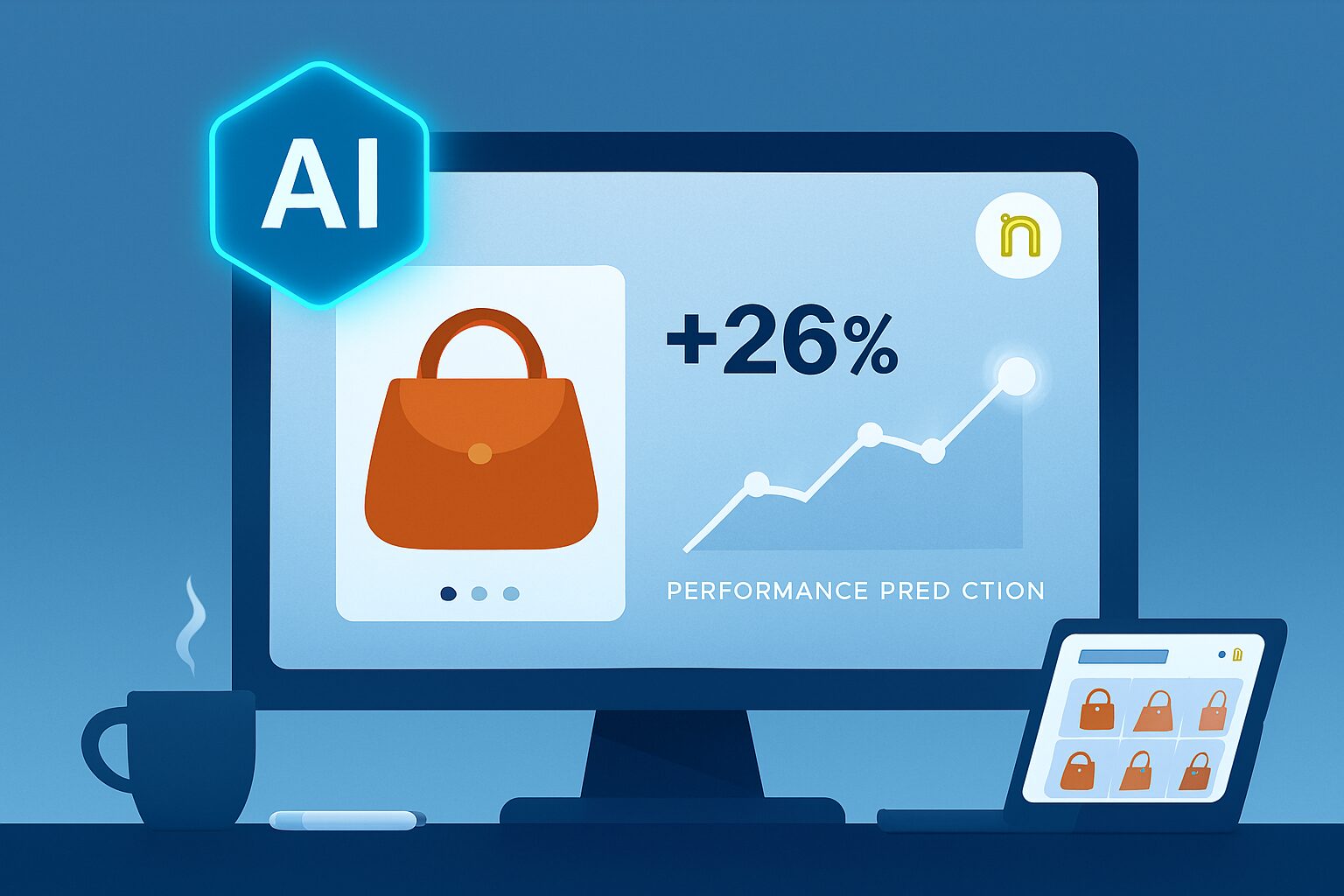
In the fast-paced world of e-commerce, where visual storytelling defines purchasing intent, every pixel matters. The concept of AI Product Image Prediction is revolutionizing how brands identify, select, and optimize product visuals that drive conversions. Powered by machine learning and AI image analytics, this emerging technology helps businesses predict which images will attract more clicks, engagement, and ultimately — sales.
Traditionally, marketers relied on manual A/B testing or intuition to decide which product images performed best. However, this approach was both slow and inefficient. In today’s data-driven marketplace, brands need faster, more accurate insights. That’s where AI Product Image Prediction comes in — enabling businesses to forecast image performance before launching campaigns.
According to Statista, over 75% of online shoppers in India say that product images play a critical role in influencing purchase decisions. On platforms like Amazon, Flipkart, and Meesho, even a minor difference in lighting, framing, or emotion can determine whether a user clicks “Buy Now” or scrolls past. For Indian e-commerce startups operating on tight margins, optimizing images through AI image analytics can be the difference between scaling profits or staying stagnant.
This predictive approach uses machine learning to analyze thousands of variables — from color palettes and composition to facial emotions and backgrounds. By comparing these against historical performance data, AI Product Image Prediction systems identify the exact features that make one visual outperform another. Imagine being able to know in advance which product photo will deliver a 20% higher click-through rate — that’s the kind of insight AI delivers today.
Brands are already integrating AI into their social media marketing ecosystems. For instance, tools available through Meta for Business now use AI algorithms to optimize ad creatives for engagement and placement. The same principles apply to product images — AI evaluates content quality, emotional resonance, and visual appeal to predict success across Instagram, Facebook, and other channels.
For example, a Delhi-based D2C skincare brand recently used predictive AI to assess over 100 product visuals for a social media launch. The system analyzed brightness, color temperature, and model expressions, ultimately predicting which visuals would attract more engagement on Instagram. When the campaign launched, those predictions proved 94% accurate, saving both time and ad spend.
This evolution reflects a larger global trend toward data-driven creativity, where intuition is supported — not replaced — by technology. As Google Digital Garage highlights in its digital marketing certification modules, brands that adopt automation and analytics early are more likely to sustain growth and achieve better ROI. For visual design and creative agencies, this means using AI tools not just to edit or enhance images, but to strategically predict what will convert best.
In India’s expanding digital commerce scene, AI-based image prediction aligns perfectly with the local market’s rapid digital adoption. With over 700 million smartphone users and affordable data access, brands now compete in a marketplace that’s always online and visually saturated. Shoppers scrolling through social feeds make split-second decisions based on imagery — and AI Product Image Prediction helps ensure those images make the right impression.
Let’s consider how this works in practice.
When an e-commerce brand uploads product visuals into an AI prediction tool, the software runs image analysis models that evaluate:
- Lighting consistency
- Color vibrancy
- Human emotion or gesture presence
- Background clarity
- Brand alignment
These insights allow marketers to select or retouch images that are statistically more likely to convert. Furthermore, with predictive data integration, businesses can segment visuals based on audience demographics — ensuring each group sees the imagery most likely to resonate with them.
At Innovizion Studio, we’ve seen firsthand how AI is reshaping design workflows. As a Creative Design Agency specializing in Product Photography, Branding & Design, and Digital Marketing & Ads, we integrate AI Product Image Prediction into our process to deliver visuals that not only look stunning but perform exceptionally. Our focus on “Minimal. Meaningful. Memorable.” design ensures that creativity and data work hand in hand.
This synergy between design and data gives businesses a critical advantage — especially in competitive markets like India. AI-driven prediction tools help small brands:
- Reduce creative guesswork
- Optimize content for each platform
- Maintain visual consistency
- Improve conversion rates with evidence-based visuals
Ultimately, AI Product Image Prediction isn’t about replacing creativity — it’s about empowering it. By combining human artistic vision with data-backed intelligence, brands can create visuals that connect more deeply with audiences while achieving measurable results.
The future of e-commerce lies in visual intelligence — where design decisions are guided by predictive models, customer insights, and real-time analytics. Whether you’re a small startup or a growing enterprise, understanding how to apply AI image analytics and predictive modeling will be key to standing out in a visually crowded marketplace.
Current Landscape: How AI is Changing Visual Decisions
Modern AI algorithms can analyze millions of product visuals and identify what makes an image “convert.” Factors such as brightness, contrast, framing, emotion, and even cultural appeal are evaluated to predict which visual is most likely to engage a particular audience segment.
Key AI Capabilities in Today’s Market:
- Visual Pattern Recognition: AI models recognize elements that historically correlate with higher conversion, such as bright backgrounds, centered compositions, or smiling human faces.
- Predictive Modeling: Based on past performance data, AI predicts how new visuals will perform on platforms like Meta for Business and Google Shopping.
- Automated A/B Testing: Instead of waiting weeks for results, AI instantly simulates campaign outcomes, showing probable winners before launch.
For example, a small Indian skincare brand could use AI image analytics to discover that close-up textures of their product jars drive 30% higher click-through rates than lifestyle images. Such insights help teams optimize their visuals without expensive manual testing.
These predictions aren’t limited to static product photos — AI now evaluates video thumbnails, carousel ads, and even 3D product renders to optimize visual storytelling across digital touchpoints.
Future Trends: Where Predictive AI for Marketing Is Headed
AI-based image prediction is evolving beyond surface-level analysis. The next frontier lies in emotion-driven and context-aware prediction.
Upcoming Trends to Watch:
- Emotion Recognition: AI will measure emotional cues in visuals to gauge how viewers might “feel” about a product.
- Dynamic Personalization: E-commerce websites will soon show different images to different audiences based on demographics, shopping history, or regional preferences.
- AI-AR Integration: Augmented Reality (AR) will merge with predictive AI, allowing brands to test how visuals appear in different real-world contexts.
- Voice-Visual Correlation: As voice commerce grows, AI will analyze how spoken search terms align with visual responses — optimizing imagery accordingly.
As the Indian market embraces tools from Google Digital Garage and local AI startups, predictive visual optimization will become a must-have for any online seller.
Challenges for Indian Small Businesses
Despite its promise, AI Product Image Prediction comes with challenges, especially for small and medium businesses in India.
Common Challenges:
- Budget Constraints: Premium AI tools can be costly for startups.
- Skill Gaps: Many small teams lack data literacy or expertise in using AI image platforms.
- Data Privacy Concerns: Sharing visual data with third-party AI tools requires compliance with privacy standards.
- Overreliance on Automation: Blindly trusting AI recommendations can stifle creative diversity.
Solution: Partnering with experienced agencies like Innovizion Studio allows small businesses to use AI creatively — blending automated analytics with human design sensibility. Our Web Development and UI/UX & Web Design teams ensure visuals perform beautifully on every screen and platform.
Case Study: AI Prediction in Action (India Example)
A Delhi-based jewelry startup struggled with inconsistent image performance across platforms. Their ads performed well on Instagram but poorly on Flipkart. Innovizion Studio introduced AI image prediction software that analyzed engagement metrics from past campaigns.
Findings:
- Jewelry photos on darker backgrounds performed better on Instagram.
- Product-only close-ups with reflective highlights performed better on Flipkart.
By tailoring visuals per platform, the brand saw a 27% increase in conversions in just one month — proving that AI predictions can directly influence ROI.
Strategies to Succeed with AI Product Image Prediction
To make the most of predictive AI, follow these actionable strategies:
1. Analyze Past Data
Use AI image analytics to identify high-performing visuals. Train the model with data from previous campaigns to enhance accuracy.
2. Optimize Continuously
Keep refining visuals with A/B testing tools integrated into your e-commerce dashboard.
3. Maintain Brand Consistency
Automate color correction and lighting adjustments to ensure visuals align with your brand identity.
4. Integrate Predictive AI into Marketing Workflows
Link AI predictions to your Social Media & Content and Digital Marketing strategies for seamless creative delivery.
5. Measure ROI Rigorously
Use analytics dashboards to track metrics like engagement, conversion rate, and click depth — validating that AI recommendations align with real-world results.
Why This Matters for Indian E-commerce
The Indian e-commerce market is expected to surpass $150 billion by 2027, driven by smartphone penetration and regional commerce platforms. With rising ad costs, every visual asset must deliver value. AI Product Image Prediction empowers businesses to make informed, data-backed visual choices that reduce wasted spend and maximize results.
AI doesn’t replace creativity — it enhances it. It enables businesses to combine intuition with intelligence, ensuring every visual tells a story that resonates with its audience.
If you’re a brand looking to improve your visual performance, connect with Innovizion Studio’s Product Photography and creative teams. Our AI-powered solutions ensure your imagery is not just attractive — it’s profitable.