
Introduction
In today’s competitive digital landscape, AI 360 Product Views are revolutionizing how customers experience products online. As Indian consumers increasingly prefer immersive, detailed visuals over static images, brands are turning to AI in e-commerce visualization to offer realistic, interactive, and engaging experiences.
Traditional 2D images are no longer enough. Online shoppers now want to zoom, rotate, and explore products from every angle — just like they would in a physical store. That’s exactly what AI 360 Product Views enable. Using artificial intelligence, businesses can automatically generate dynamic, multi-angle product displays that simulate real-world inspection.
Imagine scrolling through an online furniture store. Instead of swiping through 10 static images, you rotate a sofa in 360 degrees, zoom in on the stitching, or even change the fabric color in real time. This interactive product display not only builds confidence but significantly boosts the likelihood of purchase.
A recent report by Statista reveals that over 75% of online shoppers in India prefer stores that offer 360° product visualization. Moreover, studies indicate that interactive visuals can increase dwell time by 32% and reduce product returns by nearly 20%. These numbers show why AI 360 Product Views are rapidly becoming essential tools for Indian e-commerce brands aiming for differentiation and conversion optimization.
Artificial intelligence brings automation, precision, and scalability to the once complex world of 3D visualization. With the help of AI-powered 360 product photography, retailers can process thousands of images, automatically remove backgrounds, refine lighting, and stitch them together into seamless rotating views — all within minutes.
AI’s ability to understand patterns, textures, and dimensions allows even small businesses to compete with major players. This democratization of technology means that startups and small retailers in India can now offer premium-level visuals without heavy production budgets.
AI in e-commerce visualization is also helping brands deliver personalized virtual product experiences. For instance, when a user frequently views shoes, AI can automatically show those models in their favorite color or style angle. Combined with machine learning, these insights can drive highly customized product journeys, improving both satisfaction and retention.
At Innovizion Studio, we’ve seen firsthand how businesses use AI 360 Product Views to elevate brand presentation and enhance online credibility. Whether for fashion, electronics, jewelry, or furniture, the ability to showcase a product dynamically makes an enormous difference in consumer perception.
In this blog, we’ll explore how AI 360 Product Views are transforming online retail — from current market trends to future possibilities. We’ll also cover challenges small businesses face and provide actionable strategies for adopting this transformative technology effectively.
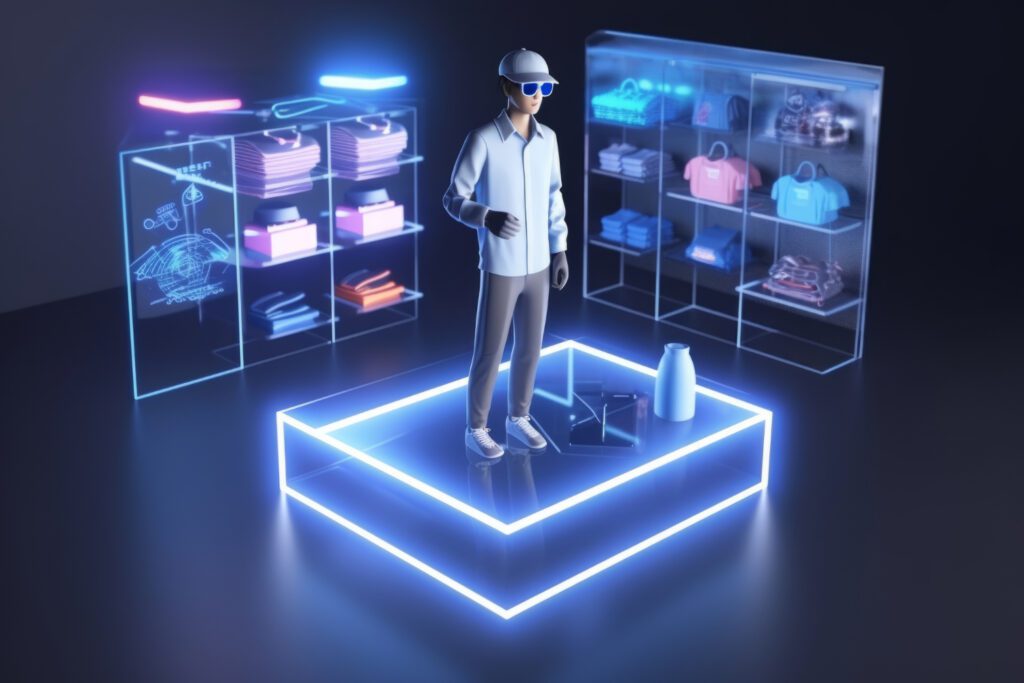
🌍 Current Landscape: The Rise of AI 360 Product Views in Indian E-Commerce
India’s e-commerce ecosystem is thriving. With over 350 million online shoppers and rapid smartphone adoption, consumer expectations have evolved dramatically. They now seek richer digital experiences that replicate real-life shopping.
🔍 Why AI 360 Product Views Matter
Consumers want trust before they buy. 360° product visuals build that trust by:
- Allowing users to see every detail of the product.
- Reducing uncertainty through transparency and clarity.
- Providing an immersive virtual product experience similar to physical retail.
E-commerce giants like Flipkart, Myntra, and Amazon India already leverage AI-driven interactive product displays for key product categories. These visuals not only boost engagement but also improve SEO by increasing on-page time — a strong ranking signal for Google.
🧩 The Role of AI in Visualization
AI doesn’t just automate 360° product photography; it enhances it. Here’s how:
- Smart Stitching: AI aligns multi-angle photos into smooth, rotating views.
- Lighting Correction: Algorithms adjust shadows and brightness for realism.
- Texture Enhancement: AI refines surfaces, fabrics, and reflections for lifelike depth.
- Data Insights: AI analyzes which angles or colors users engage with most, improving marketing strategies.
According to Google Digital Garage, integrating interactive content like AI-enhanced visuals can boost conversion rates by up to 40%.
🚀 Future Trends: What’s Next for AI 360 Product Views
The evolution of AI 360 Product Views is just beginning. As machine learning and computer vision advance, future trends include:
1. AI-Generated 3D Models
Soon, AI will generate full 3D assets from simple 2D images, saving massive production costs.
2. Real-Time Customization
Customers will be able to personalize color, material, or accessories directly in 360° view.
3. AR and VR Integration
Virtual product experiences will merge with AR technology, allowing users to visualize products in their own environment.
4. Automated Image Editing Pipelines
AI will handle everything from 360 product photography to background removal and optimization automatically.
5. Voice-Enabled Product Exploration
AI chatbots and voice assistants will narrate product features while users interact with visuals.
These advancements make the shopping journey more interactive, efficient, and satisfying — especially for India’s digitally native Generation Z consumers.
⚙️ Challenges for Small Businesses
Despite the benefits, small Indian retailers face obstacles in implementing AI 360 Product Views:
💰 High Initial Investment
High-end 360° cameras and AI tools can be expensive initially, though cloud-based alternatives are reducing costs.
🧑💻 Technical Complexity
Creating interactive product displays requires technical integration with e-commerce platforms like Shopify, WooCommerce, or Magento.
📶 Bandwidth and Load Times
High-resolution visuals can slow down page speed, affecting user experience.
🎓 Skill Gaps
Small teams often lack expertise in 3D visualization or AI-based editing workflows.
However, these challenges are rapidly being addressed through full-service creative partners like Innovizion Studio’s Creative Digital Services — offering Product Photography, Web Development, and UI/UX Design under one roof.
💡 Strategies to Succeed with AI 360 Product Views
To effectively integrate AI 360 Product Views, Indian e-commerce brands can follow these steps:
- Start with Top-Selling Products
Launch interactive visuals for high-demand items first to test performance. - Use Affordable AI Tools
Platforms like Claid.ai, Icons8 Smart Upscaler, and Remove.bg can automate editing and 360° view creation. - Partner with Experts
Work with agencies like Innovizion Studio that specialize in AI-based visualization and branding. - Optimize for Mobile Devices
Since 80% of Indian e-commerce traffic comes from mobile, visuals must be responsive and lightweight. - Incorporate Social Media Integration
Promote 360° visuals on Meta for Business and Instagram to increase reach and engagement. - Analyze and Iterate
Track engagement metrics such as spins, zooms, and dwell time to optimize future visuals. - Offer Virtual Try-On Experiences
Combine 360° visuals with AR to simulate usage or placement — perfect for fashion, furniture, and decor brands.
📊 Real-Life Example: AI 360 Product Views in Indian Retail
A Delhi-based footwear brand implemented AI-driven 360° product visualization for its online catalog. Within 60 days:
- Product page views increased by 45%.
- Add-to-cart rates grew by 28%.
- Product returns dropped by 18% due to clearer expectations.
By partnering with Innovizion Studio’s Digital Marketing & Ads Services, they also ran targeted campaigns showcasing these immersive visuals, doubling their ad engagement rate.