Introduction: Why AI in Interactive Web Design Matters for Indian Startups
In today’s highly competitive digital landscape, startups in India are constantly looking for ways to create websites that not only look great but also engage users effectively. AI in interactive web design is transforming this process by providing startups with actionable insights about user behavior, preferences, and interactions. By integrating AI into the design workflow, businesses can craft websites that respond dynamically to user actions, delivering personalized experiences that increase retention, boost engagement, and drive conversions.
Traditional web design methods often rely on static layouts and manual user testing, which can be time-consuming and insufficient for understanding the complexities of modern user behavior. By leveraging AI in interactive web design, startups can analyze data in real-time, predict user actions, and adjust interface elements automatically. For instance, a Bengaluru-based e-commerce startup can dynamically highlight trending products based on browsing patterns, while a fintech startup in Mumbai can optimize dashboards for different user segments to improve usability and satisfaction.
The benefits extend beyond aesthetics. AI enables predictive navigation, automated A/B testing, personalized content delivery, and enhanced gamification strategies. At Innovizion Studio, we specialize in combining AI-powered insights with creative design strategies to deliver interactive web interfaces that are both visually compelling and highly functional. In this blog, we will explore five powerful ways AI in interactive web design can help startups create engaging interfaces, along with future trends, challenges, and actionable strategies.
1. Personalized User Interactions
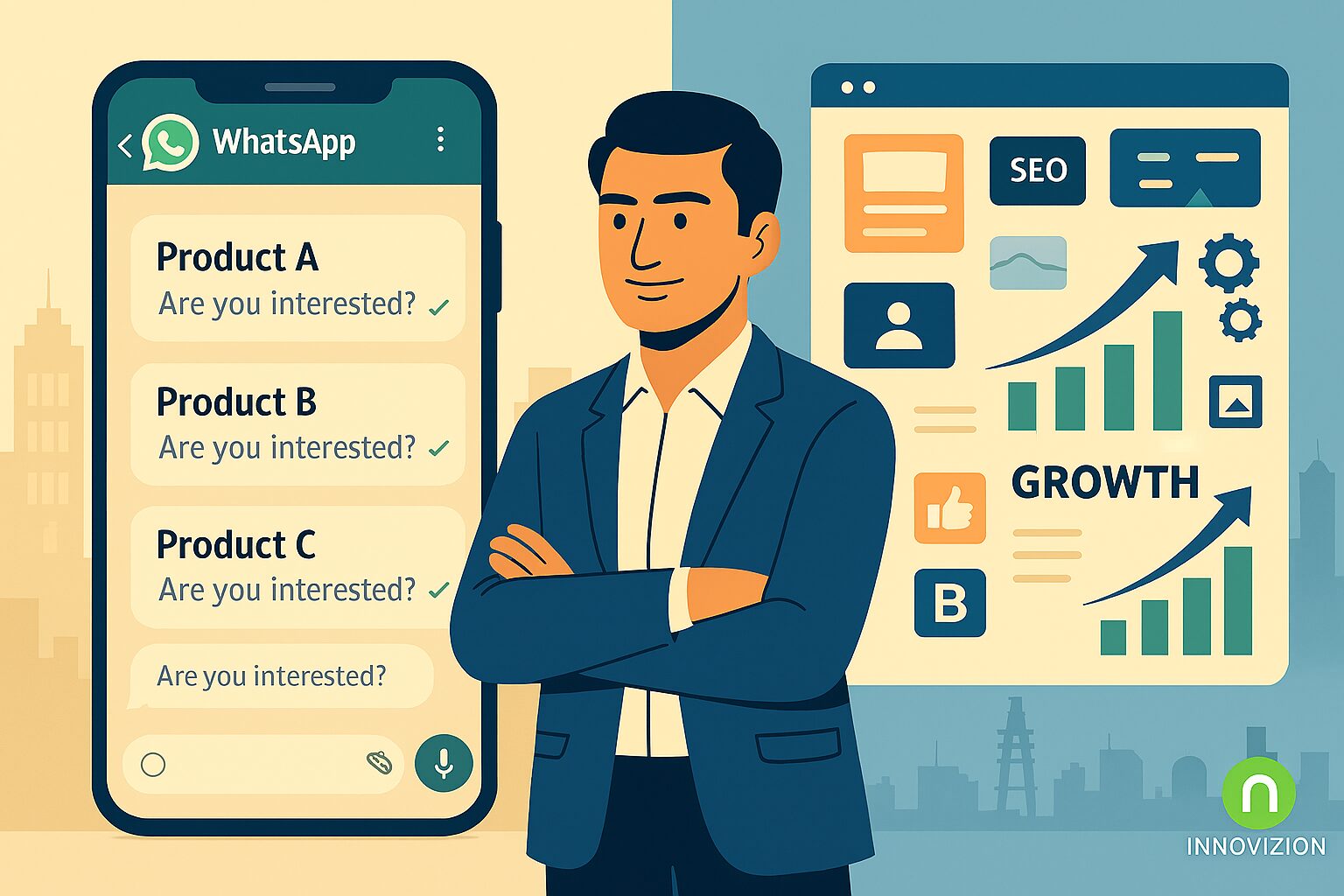
One of the most powerful applications of AI in interactive web design is the ability to deliver personalized experiences for each user. Personalization involves adjusting content, layouts, and interface elements based on user behavior, demographics, and preferences.
For example, a Delhi-based travel startup uses AI to recommend destinations based on users’ previous searches and booking history. Similarly, an online learning platform can highlight courses most relevant to individual learners, increasing engagement and course completion rates. By creating personalized web interactions, startups ensure that users feel understood and catered to, which directly translates into higher retention and satisfaction.
AI can also tailor interactive elements, such as chat prompts, notifications, and dynamic menus, based on user engagement patterns. This allows the website to adapt in real-time, ensuring the interface is always relevant and helpful. By integrating these AI-driven personalization techniques, startups can build engaging web interfaces that stand out in India’s crowded digital marketplace.
2. Predictive Analytics for Optimized UX
Another key advantage of AI in interactive web design is its ability to use predictive analytics to anticipate user behavior. Predictive analytics enables startups to understand how users are likely to interact with different elements of a website and make proactive design adjustments.
For instance, a fintech startup in Mumbai might use AI to predict which dashboard features users are most likely to access. This allows the platform to highlight essential tools and streamline navigation. Similarly, an e-commerce startup in Bengaluru can predict which products a user might be interested in and display them prominently on the homepage.
By leveraging predictive user behavior analytics, startups can reduce bounce rates, enhance navigation efficiency, and improve overall user satisfaction. AI-powered predictions help designers make informed decisions, ensuring that interfaces are intuitive, responsive, and engaging. External resources such as Adobe Sensei and Statista provide additional insights into leveraging AI for predictive UX optimization.
3. Real-Time Interaction Adjustments
AI does not just predict user behavior—it can respond to it instantly. Real-time interaction adjustments allow websites to adapt based on ongoing user activity. This means that as a user scrolls, clicks, or hovers over elements, the AI can modify content placement, highlight critical CTAs, or suggest next steps dynamically.
For example, an Indian e-learning platform can monitor which course modules users engage with most and automatically adjust the content layout to emphasize popular or critical sections. Similarly, a fashion e-commerce startup can dynamically reposition product recommendations or promotional banners if AI detects low engagement in specific areas.
By implementing real-time adjustments, startups can create a seamless, interactive experience that keeps users engaged, reduces frustration, and encourages them to explore more. For startups looking to implement these strategies, our Web Development Services offer tailored AI-driven solutions.
4. Gamification and Interactive Elements
Gamification is an increasingly popular strategy in AI-driven interactive web design. By incorporating interactive elements such as quizzes, sliders, progress bars, and AI-driven micro-interactions, startups can make websites more engaging and memorable.
For example, a wellness startup in India might use AI to adjust quiz difficulty dynamically based on previous user responses. A retail website could highlight trending products interactively, encouraging users to engage longer and explore more offerings.
Gamification powered by AI not only improves user engagement metrics but also enhances brand loyalty. Users enjoy experiences that feel personalized, responsive, and fun, which increases the likelihood of returning to the website and completing desired actions, such as purchases or sign-ups.
5. AI-Powered A/B Testing
A/B testing is critical for understanding which design variations perform best. With AI, A/B testing becomes automated and far more intelligent. AI evaluates multiple versions of web elements—such as CTA buttons, layout structures, or form placements—and identifies which combinations yield the highest engagement and conversions.
For example, an Indian food delivery platform could test two versions of an order page to see which arrangement encourages more completed orders. AI-driven A/B testing can also continuously adapt designs as more user data is collected, ensuring that the website evolves to meet changing user behavior.
External resources like Google Digital Garage provide guidance on leveraging AI for smarter web UX testing, making it easier for startups to implement these strategies efficiently.
Future Trends in AI-Driven Interactive Web Design
The future of AI in interactive web design is exciting, particularly for startups in India. Emerging trends include:
- Hyper-Personalization: Interfaces that adapt in real-time for each individual user.
- Emotion AI: Designs that respond to user sentiment and engagement levels.
- Voice and Gesture-Based Interactions: Interactive elements responding to natural inputs like voice or touch gestures.
- Predictive Content Delivery: Serving content proactively based on predicted user interest.
Indian startups adopting these trends will gain a competitive edge by delivering web experiences that are not only engaging but also anticipatory and highly intuitive.
Challenges for Indian Startups
While AI-driven interactive web design offers tremendous opportunities, startups must navigate certain challenges:
- High Cost of AI Tools: Advanced platforms and analytics tools can be expensive.
- Skill Gaps: Implementing AI requires expertise in data analysis, UX design, and development.
- Data Privacy Compliance: Indian startups must ensure compliance with emerging data protection regulations.
Partnering with a creative digital agency in India like Innovizion Studio helps startups implement AI-driven design solutions effectively while maintaining brand consistency and legal compliance.
Conclusion
AI in interactive web design empowers Indian startups to create engaging, personalized, and adaptive web interfaces that capture attention, retain users, and boost conversions. From predictive analytics to real-time adjustments, gamification, and AI-powered A/B testing, startups can leverage AI to understand and respond to user behavior more effectively than ever before.
At Innovizion Studio, we combine AI insights with creative design expertise to craft interactive web experiences that delight users and drive measurable business growth. Leveraging AI in interactive web design is not just a trend—it’s a strategic step toward smarter, more engaging, and conversion-focused websites.