Introduction
In the crowded digital marketplace of 2025, e-commerce brands face a relentless challenge: how to attract, engage, and convert customers who have endless choices at their fingertips. Traditional marketing tactics alone are no longer enough. Shoppers expect personalized, seamless, and intuitive experiences every time they interact with an online store. The question is — how can businesses meet these rising expectations without overwhelming their teams?
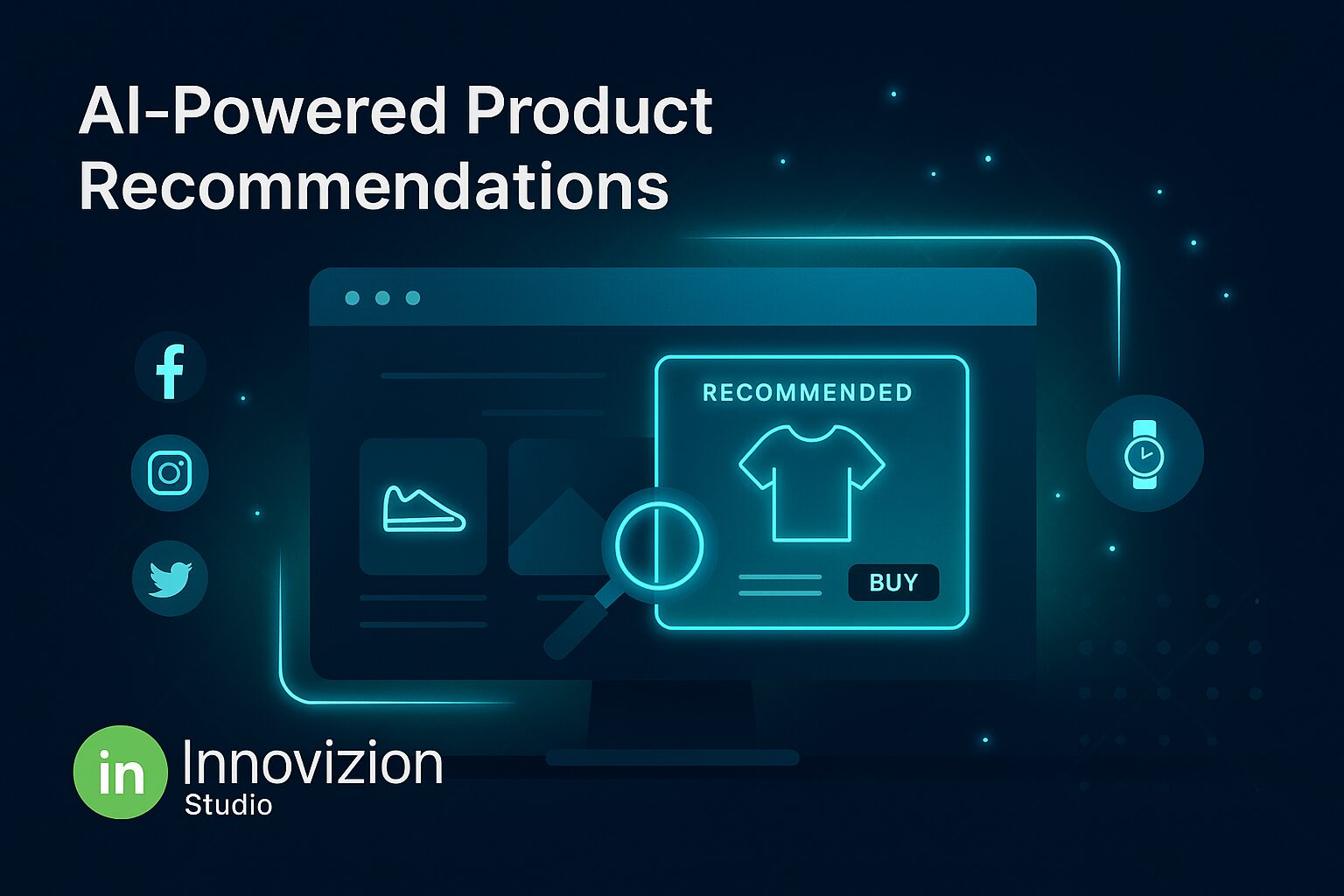
The answer lies in AI product recommendations, a powerful tool that uses artificial intelligence and machine learning to create highly personalized shopping journeys. By analyzing massive amounts of customer data — from browsing history and purchase patterns to cart abandonment and demographic details — AI can suggest the right products at the right time. This not only saves shoppers valuable time but also increases conversions, boosts order values, and builds long-term customer loyalty.
If you’ve ever noticed how Amazon recommends items that perfectly complement what you’re buying, or how Netflix seems to know exactly what you want to watch next, you’ve already experienced the magic of recommendation engines in action. For e-commerce brands, these tools are not futuristic luxuries — they are revenue-driving necessities. In fact, research suggests that nearly 35% of Amazon’s revenue comes from its recommendation system, proving just how powerful this technology can be.
But AI product recommendations aren’t just about showing “similar” items. They’re about predicting intent, understanding customer needs on a deeper level, and providing suggestions that feel personalized and relevant. Done right, they turn casual browsers into loyal buyers and transform e-commerce platforms into profit engines.
In this blog, we’ll explore exactly how e-commerce brands can increase sales with AI product recommendations. From understanding the benefits and seeing real-world examples to learning best practices and integrating AI across marketing channels, you’ll discover everything you need to harness this technology for sustainable growth.
👉 Internal Link: Want to see how personalization can also improve your brand’s social engagement? Explore our Social Media and Content Services.
Why Personalization is the Future of E-Commerce
Personalization has moved from being a competitive advantage to a consumer expectation. According to Accenture, 91% of consumers are more likely to shop with brands that recognize, remember, and provide relevant offers. AI-powered recommendations make this possible by:
- Delivering relevant product suggestions instantly.
- Reducing decision fatigue for customers.
- Increasing average order value (AOV) through upselling and cross-selling.
- Building trust and loyalty through tailored experiences.
Customers who feel “seen” and valued are far more likely to return, helping brands cut acquisition costs and focus on long-term retention.
7 Key Benefits of AI Product Recommendations
1. Boosts Conversions
AI delivers hyper-relevant product suggestions, encouraging faster decision-making and higher checkout rates.
2. Increases Average Order Value (AOV)
Smart cross-selling (“Frequently Bought Together”) and upselling (“Upgrade to Premium”) maximize revenue per transaction.
3. Improves Customer Retention
A personalized journey keeps customers coming back, reducing churn.
4. Enhances User Experience
AI-powered navigation shortens the path to purchase by minimizing irrelevant results.
5. Provides Actionable Data Insights
Recommendation engines generate valuable insights into buying patterns and preferences, helping brands refine inventory and campaigns.
6. Scales with Business Growth
AI learns continuously, adapting to growing product catalogs and user bases without manual effort.
7. Delivers a Competitive Edge
Since many businesses still underutilize AI, adopting it early offers a long-term advantage.
Real-World Examples of AI in Action
- Amazon: The pioneer of recommendation engines, generating a large chunk of its revenue from personalized suggestions.
- Spotify & Netflix: Both thrive on personalized recommendations, keeping users engaged for hours.
- Sephora: Uses AI to suggest beauty products based on skin type and preferences.
- Flipkart (India): Leverages AI to deliver personalized shopping feeds to millions of users daily.
👉 External Link: Learn how IBM Watson AI is enabling personalized engagement at scale for global brands.
Best Practices for Implementing AI Product Recommendations
Collect Quality Data
Focus on first-party data such as browsing history, search queries, and past purchases. The more accurate your data, the better the recommendations.
Choose the Right Platform
From Shopify plugins to custom AI engines, select a solution that aligns with your business size and goals.
Test, Optimize, Repeat
Run A/B tests to determine which recommendation styles (e.g., “Top Picks for You” vs. “Frequently Bought Together”) work best for your audience.
Ensure Privacy & Transparency
Be upfront about data collection practices and comply with privacy laws like GDPR.
Integrate Across Channels
Embed recommendations in emails, push notifications, website banners, and social ads to maximize their impact.
Integrating AI Recommendations into Marketing
- Email Marketing: Personalized product suggestions in newsletters or abandoned cart emails.
- Push Notifications: Timely nudges with relevant product recommendations.
- On-Site Personalization: Widgets, carousels, and banners showing “Recommended for You.”
- Social Media Ads: AI-powered retargeting campaigns that dynamically recommend products.
Tools & Platforms for AI Recommendations
- Dynamic Yield (personalization engine for web and apps).
- Salesforce Commerce Cloud (AI-driven e-commerce solutions).
- Clerk.io (recommendation and search optimization).
- Adobe Sensei (AI for personalization and content delivery).
- Nosto (personalized shopping experiences for Shopify and Magento stores).
Future of AI Product Recommendations in E-Commerce
The future goes beyond simple product suggestions. Expect:
- Voice AI integration (personalized shopping via Alexa, Google Assistant).
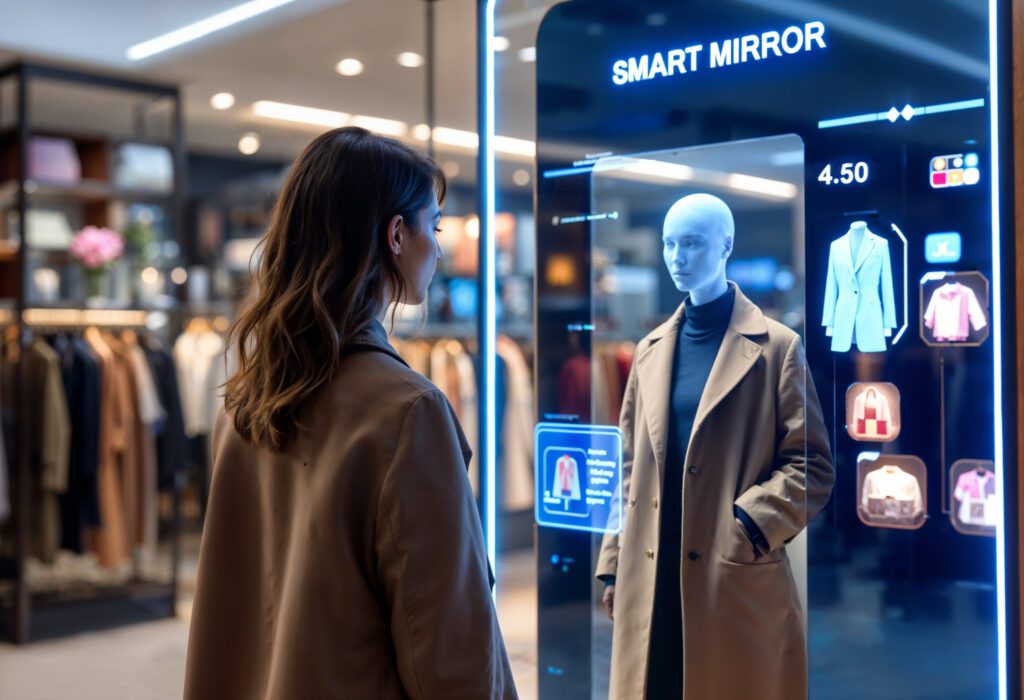
- Augmented Reality (AR) shopping paired with AI recommendations.
- Emotion AI that tailors suggestions based on customer sentiment.
- Omnichannel personalization — seamless experiences across web, app, and in-store.
Conclusion
AI product recommendations are no longer optional — they’re mission-critical for e-commerce success. By leveraging AI to deliver personalization at scale, brands can:
- Boost conversions and average order value.
- Enhance user experiences.
- Retain loyal customers.
- Unlock powerful data insights.
In the ever-competitive world of online retail, the winners will be those who adopt AI today and build customer-first strategies around it. E-commerce isn’t just about selling products anymore — it’s about creating personalized journeys that drive sales, loyalty, and growth in 2025 and beyond.