Introduction
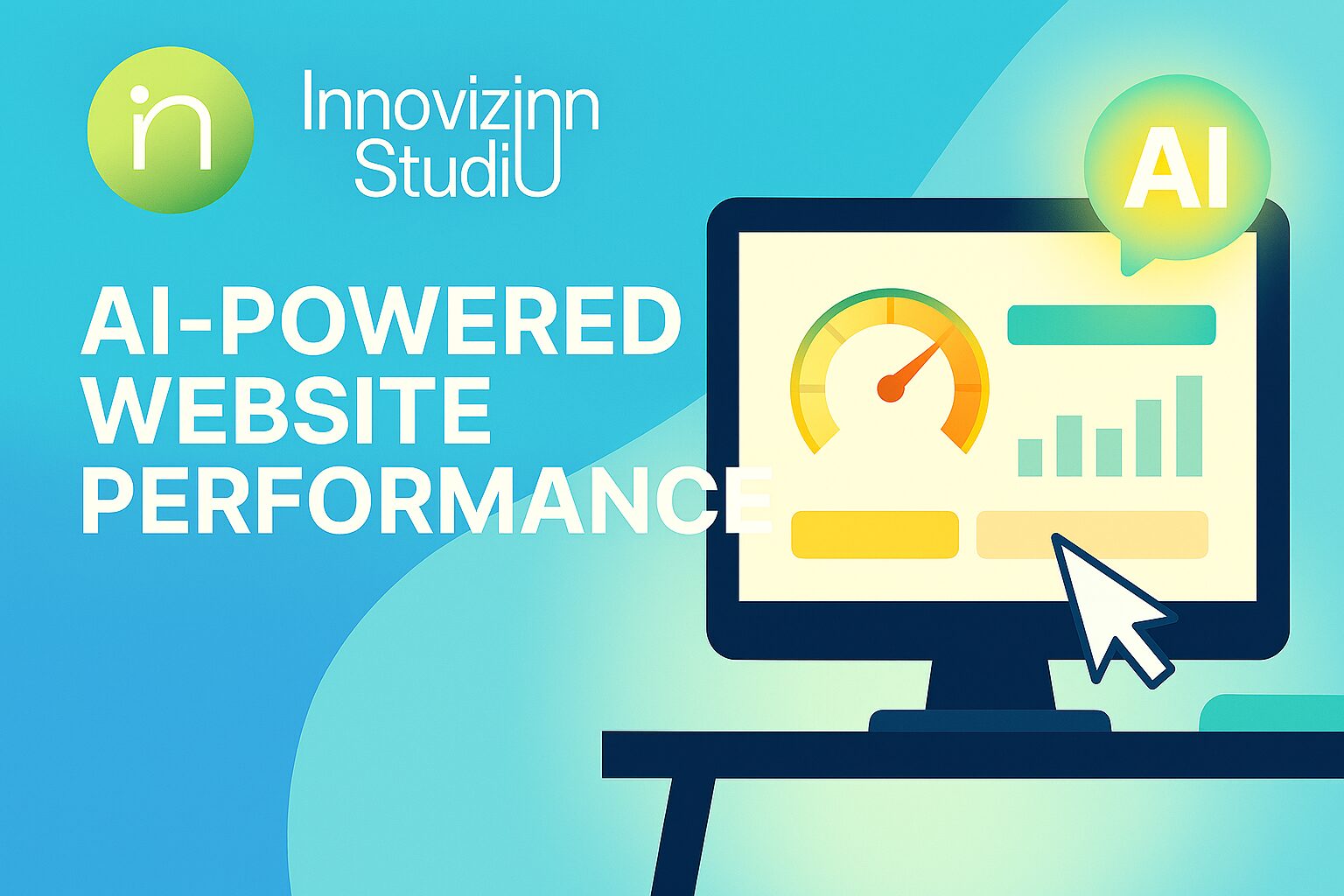
In the competitive Indian startup ecosystem, AI to improve website speed and performance is no longer optional—it’s essential. Startups across India, from tech ventures in Bengaluru to e-commerce brands in Delhi and Pune, are realizing that website speed directly impacts user experience, SEO rankings, and conversion rates. Leveraging AI to improve website speed and performance allows small businesses to compete with larger enterprises without massive technical teams or budgets.
Traditionally, optimizing a website required in-depth knowledge of coding, server management, image compression, and analytics tools. Manual optimization was time-consuming, costly, and often out of reach for small startups. Today, however, AI to improve website speed and performance provides automated, intelligent solutions that streamline the process, delivering faster-loading, more responsive websites tailored to the needs of Indian users.
Consider a D2C fashion startup in Mumbai that used AI tools to optimize images, minify scripts, and implement caching strategies. By leveraging AI to improve website speed and performance, the startup reduced its homepage load time from 7 seconds to under 2.5 seconds, resulting in a 35% increase in mobile conversions and improved search engine rankings. Similarly, a SaaS startup in Pune integrated AI-powered performance monitoring to continuously track bottlenecks. This allowed the team to proactively fix slow-loading elements, ensuring a smooth user experience and better engagement metrics.
The advantages of using AI to improve website speed and performance extend beyond faster load times. Indian startups benefit from predictive resource allocation, AI-assisted mobile optimization, and continuous performance analytics, making websites more reliable during high-traffic periods or promotional campaigns. AI solutions also reduce server strain, optimize bandwidth usage, and improve overall website efficiency, which is particularly crucial for startups targeting India’s mobile-first audience.
For small businesses in India, the ability to deploy AI to improve website speed and performance means faster customer access, lower bounce rates, and higher conversion opportunities. Startups no longer need to spend weeks manually optimizing their sites or hire large technical teams to maintain performance. By integrating AI-driven tools with strategic business planning, Indian startups can ensure their digital presence is competitive, scalable, and user-friendly.
In this blog, we’ll explore 7 powerful AI strategies to improve website speed and performance, examine the current landscape in India, discuss future trends, identify challenges for small businesses, and share actionable strategies that startups can implement to maximize website efficiency and UX. By the end of this article, Indian startup founders will understand how leveraging AI to improve website speed and performance can drive growth, enhance user experience, and improve search engine visibility.

1. Current Landscape: AI in Website Optimization
How AI Website Optimization Works
AI-driven tools analyze website performance and automatically implement optimization strategies, such as:
- Compressing and lazy-loading images
- Minifying CSS, JavaScript, and HTML
- Implementing browser caching and content delivery networks (CDNs)
- Predictive resource allocation to reduce server load
- Continuous monitoring and automated alerts
Popular AI tools like NitroPack, Cloudflare with AI features, and Google’s PageSpeed Insights provide actionable recommendations and automated solutions to improve web speed.
Why Indian Startups Are Adopting AI for Web Performance
- Faster Load Times: Critical for mobile-first users in India
- Reduced Bounce Rates: Improves engagement on product and landing pages
- SEO Benefits: Google prioritizes fast-loading sites in search rankings
- Scalable Solutions: Handles increased traffic without server strain
- Cost Efficiency: Minimizes the need for large technical teams
At Innovizion Studio, we’ve implemented AI performance solutions for multiple Indian startups, improving UX and conversion metrics across industries.
2. 7 Powerful AI Strategies to Improve Website Speed and Performance
1. AI-Based Image Optimization
- Compress images without losing quality using AI tools like TinyPNG AI or ShortPixel
- Automatically generate WebP or AVIF formats for faster load times
- Example: A Mumbai-based D2C store reduced homepage load time by 40% with AI image optimization
2. Automated Code Minification
- AI tools remove unnecessary characters from HTML, CSS, and JavaScript
- Speeds up rendering without affecting functionality
- Ideal for SaaS and tech startups with complex web apps
3. Intelligent Caching
- AI predicts popular content and preloads it for users
- Reduces server requests and latency
- Tools: NitroPack, WP Rocket AI features
4. AI-Powered CDN Optimization
- AI selects the fastest server nodes for users based on location
- Improves performance for Indian startups targeting multiple cities
- Example: Cloudflare’s AI-based optimization improved load times for a Delhi e-commerce startup by 35%
5. Predictive Resource Allocation
- AI monitors traffic and dynamically allocates server resources
- Prevents slowdowns during high traffic periods
- Critical for startups during sales or app launches
6. Real-Time Performance Analytics
- AI monitors website performance continuously
- Detects bottlenecks, lagging scripts, or slow-loading elements
- Provides actionable insights and automated fixes
7. AI-Assisted Mobile Optimization
- AI tools adapt website layout and image delivery for mobile devices
- Reduces load times for India’s mobile-first audience
- Enhances UX, improves engagement, and boosts SEO rankings
3. Future Trends in AI Website Performance Optimization
- AI-Driven Predictive UX: Predicting visitor behavior and preloading content dynamically
- Voice Search and AI Optimization: Faster loading for voice-driven interactions
- Automated Full-Stack Optimization: From front-end to server, AI manages end-to-end speed
- Edge AI: Processing closer to users for instant load times
- Integration with Marketing AI: AI optimizing content, ads, and website performance together
4. Challenges for Startups in India
- Technical Limitations: Not all AI tools integrate with custom platforms
- Cost Concerns: Advanced AI optimization tools may require subscription fees
- Brand Consistency: Over-automation may affect website aesthetics
- Data Privacy: Ensure compliance with Indian data protection regulations
5. Strategies for Indian Startups
✅ 1. Combine AI Tools with Human Expertise
- Use AI for technical optimization, human designers for UX/UI
- Example: Innovizion Studio provides hybrid solutions
✅ 2. Prioritize Mobile-First Performance
- Ensure AI tools adapt images, scripts, and layout for mobile users
✅ 3. Continuous Monitoring
- Use AI analytics to detect bottlenecks and implement fixes automatically
✅ 4. Optimize for SEO
- Faster websites improve Google ranking and organic traffic (Google Digital Garage)
✅ 5. Implement Edge Caching
- AI-powered CDN with edge nodes reduces latency across Indian cities
6. Real-Life Examples
- Delhi E-commerce Startup: Reduced homepage load from 7s to 2.5s using AI image optimization and caching
- Bengaluru SaaS Startup: Implemented AI-based performance analytics to reduce server load during peak traffic
- Mumbai D2C Fashion Brand: AI-assisted mobile optimization improved mobile conversions by 30%
Conclusion
Leveraging AI to improve website speed and performance is no longer optional for Indian startups — it’s essential for user experience, SEO, and growth. By combining AI optimization tools with professional expertise, startups can achieve lightning-fast load times, seamless UX, and measurable business results. Partnering with agencies like Innovizion Studio ensures startups implement AI strategies effectively while maintaining brand integrity and scalability.