
Introduction
In 2025, digital marketing trends in India are reshaping the way businesses connect with audiences. With over 800 million internet users and increasing smartphone penetration, small businesses have unprecedented opportunities to leverage online channels for growth. Platforms like Facebook, Instagram, LinkedIn, YouTube, and WhatsApp have become essential tools for marketing, branding, and customer engagement.
Small businesses in India now face a digital landscape that is rapidly evolving, with AI-driven tools, short-form video content, and social commerce transforming traditional marketing strategies. Understanding these trends is critical for social media marketing for Indian small businesses, enabling them to compete effectively, engage audiences, and drive revenue growth.
However, challenges exist. Many small enterprises operate with limited budgets and manpower, while constantly adapting to algorithm changes and diverse regional preferences. Yet, those that embrace branding strategies, social media engagement tips, and digital innovations can unlock significant growth opportunities.
This blog explores the current landscape of digital marketing trends in India, highlights emerging trends, identifies challenges for small businesses, and provides actionable strategies for success. Real-life examples of Indian brands and tips for implementation will help small businesses navigate the evolving digital ecosystem effectively.
Current Landscape of Digital Marketing Trends in India
Dominance of Social Media Marketing
Social media marketing for Indian small businesses continues to be one of the most influential channels. Platforms such as Instagram Reels, Facebook Reels, and YouTube Shorts dominate engagement metrics, especially with mobile-first users who prefer quick and visually engaging content.
For example, a Bangalore-based bakery uses short-form videos to showcase recipes, promotions, and behind-the-scenes activities, building both engagement and a loyal customer base.
Growth of Micro-Influencer Collaborations
Micro-influencers, with followings of 1,000–100,000, provide highly engaged audiences in niche markets, making them cost-effective partners for small businesses. Indian brands like BoAt and artisan clothing labels have successfully used micro-influencers to boost credibility and reach targeted segments.
AI and Automation in Marketing
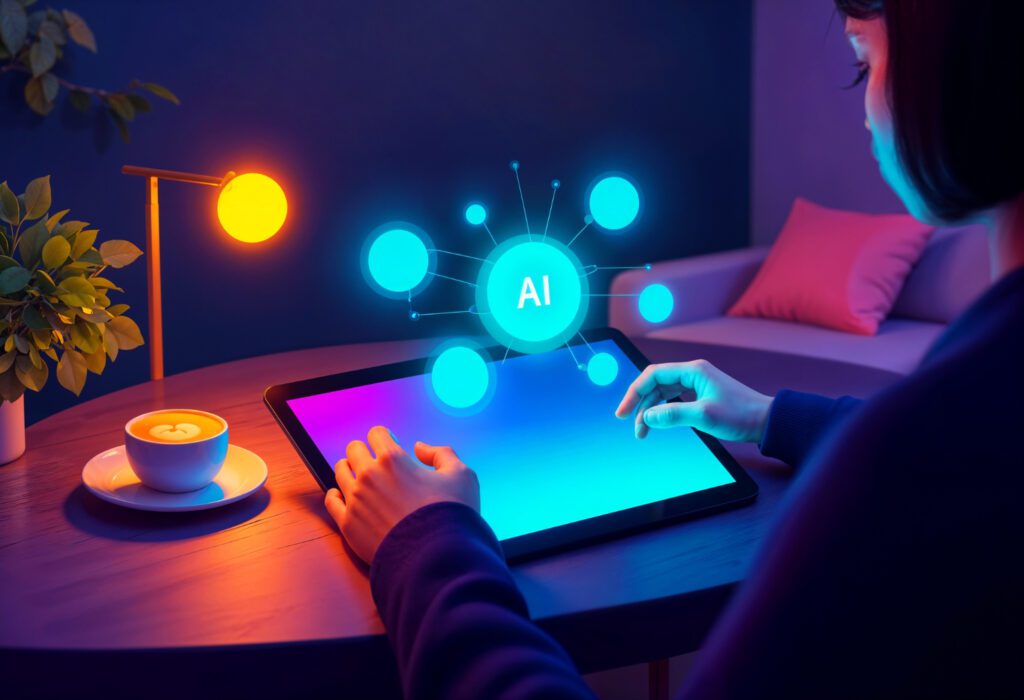
AI-powered tools are revolutionizing digital marketing. From predictive analytics and personalized content to chatbots that automate customer interactions, AI enables small businesses to optimize campaigns, save time, and increase ROI.
Emerging Digital Marketing Trends in India
1. Social Commerce
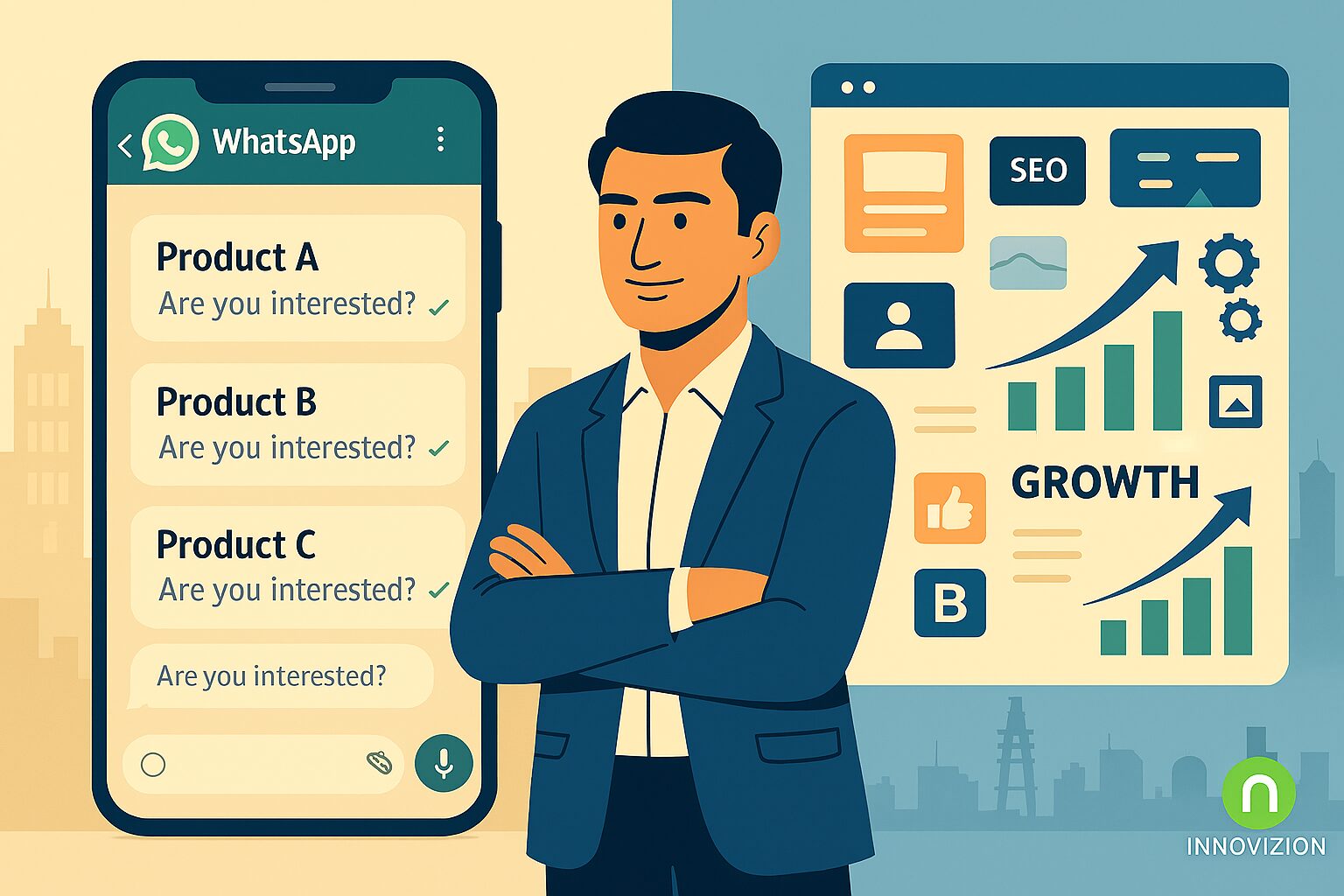
Social commerce integrates e-commerce features directly into social media platforms, allowing businesses to sell products seamlessly online. Instagram Shopping, Facebook Marketplace, and WhatsApp Business empower small businesses to reach a national audience without a physical store.
Example: Jaipur-based artisan jewelers use Instagram Shop to display their products and accept orders directly via WhatsApp, expanding their reach significantly.
2. Vernacular and Regional Content
India’s diverse languages make vernacular content increasingly important. Brands creating campaigns in Hindi, Tamil, Telugu, Bengali, and other regional languages can connect authentically with audiences in tier-2 and tier-3 cities, boosting engagement and trust.
3. Community Building and Engagement
Small businesses that build communities around their brands enjoy higher loyalty and advocacy. WhatsApp groups, Telegram channels, and private Facebook communities allow businesses to interact directly with customers, collect feedback, and foster a sense of belonging.
Challenges for Small Businesses
Resource Limitations
Small businesses often lack sufficient budgets and manpower to execute comprehensive digital campaigns.
- Tip: Utilize affordable tools like Canva for design, Buffer for scheduling, and AI content generation tools to streamline marketing efforts.
Intense Competition
India’s digital space is crowded. Standing out requires creativity, storytelling, and consistent engagement.
- Tip: Highlight unique value propositions, customer testimonials, and behind-the-scenes content to differentiate your brand.
Algorithm Changes
Social media and search platforms frequently update algorithms, affecting organic reach.
- Tip: Stay updated through Meta for Business and Google Digital Garage, and use diversified platforms and paid promotions to maintain visibility.
Strategies for Success in Digital Marketing
1. Consistent Branding
A consistent brand voice and visual identity across platforms build trust and recognition.
- Learn more about Branding & Design services from Innovizion Studio.
2. Data-Driven Marketing
Monitor performance through analytics to make informed decisions and improve ROI.
- Explore analytics and digital marketing strategies via Google Digital Garage.
3. Influencer Collaboration
Partner with micro-influencers to amplify reach and credibility.
- Innovizion Studio’s Social Media & Content services can help you identify and collaborate with influencers.
4. User-Generated Content (UGC)
Encourage customers to share reviews and experiences. UGC enhances authenticity and strengthens community engagement.
- Example: Delhi-based organic skincare brands feature UGC on Instagram to improve engagement and trust.
5. Paid Campaigns for Targeted Growth
Use paid promotions strategically to reach specific audiences and measure ROI.
- Innovizion Studio’s Digital Marketing & Ads services can guide campaign creation and management.
Real-Life Examples
- Chai Point: Uses Instagram to showcase products, promotions, and behind-the-scenes content, increasing foot traffic and sales.
- BoAt: Leverages influencer marketing and short-form videos to connect with Indian youth, boosting online presence.
- Licious: Implements vernacular content and social commerce strategies to expand reach across cities.
Conclusion
Digital marketing trends in India are evolving rapidly, offering immense opportunities for small businesses. By adopting short-form videos, vernacular content, AI tools, social commerce strategies, and data-driven marketing, Indian small businesses can overcome challenges, enhance engagement, and scale online.
Staying adaptable, creative, and strategic in social media and digital marketing campaigns ensures sustainable business growth, improved brand awareness, and long-term customer loyalty.