Introduction
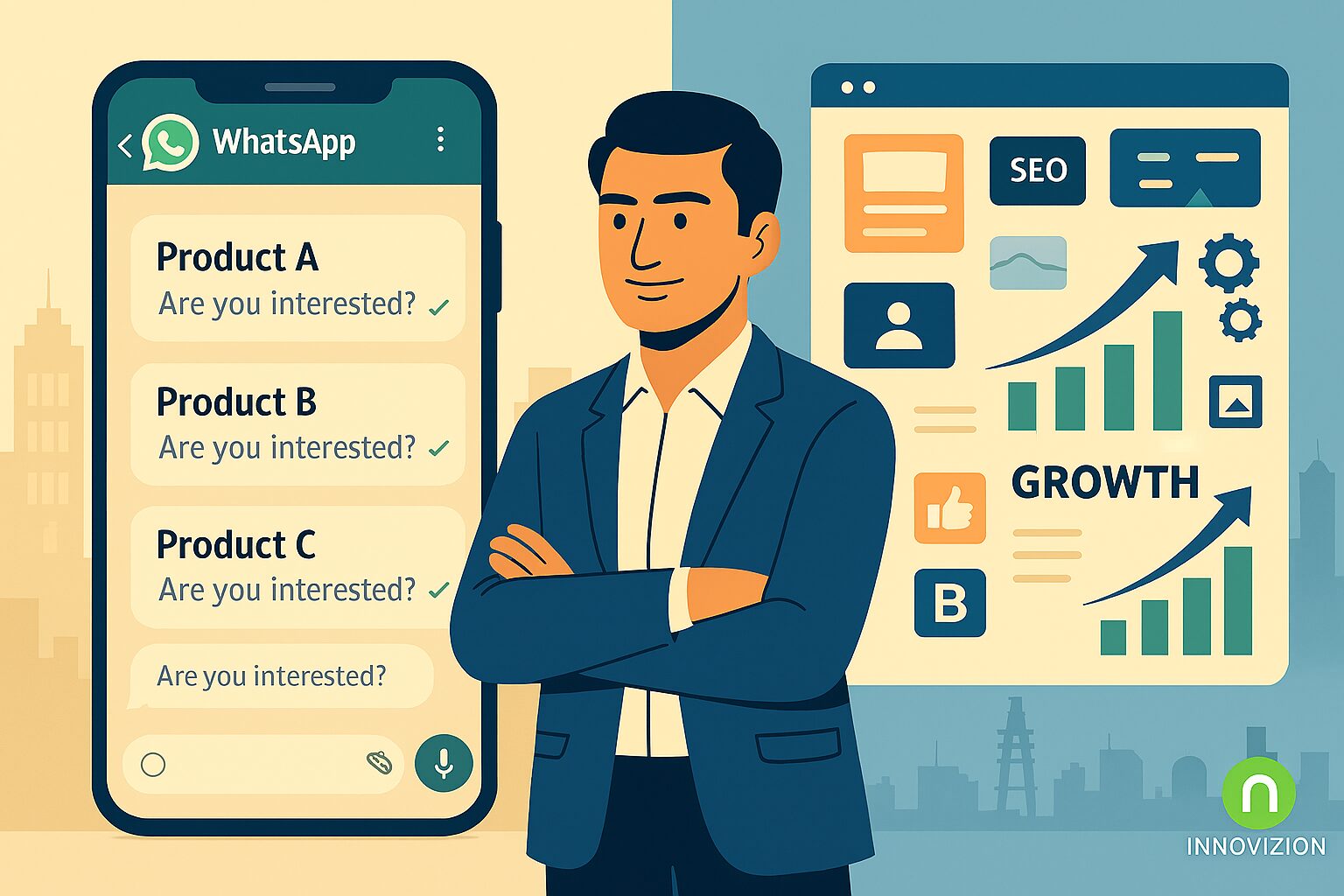
In today’s competitive startup ecosystem, hyper-personalized marketing campaigns are no longer optional—they are essential for growth. Generic marketing messages fail to resonate with modern consumers, who expect brands to deliver tailored experiences across every touchpoint. Startups that leverage hyper-personalization can increase engagement, boost conversion rates, and create lasting customer loyalty.
For growing startups in India, creating hyper-personalized campaigns is particularly impactful. With a digital-first audience in metro cities like Bengaluru, Mumbai, and Delhi, understanding customer preferences, behavior, and purchase patterns allows startups to compete with well-established brands. According to Statista, 80% of consumers are more likely to buy from a brand that offers personalized experiences, highlighting the importance of data-driven marketing campaigns in today’s landscape.
Startups can implement hyper-personalization at various stages of the customer journey—from initial awareness to post-purchase follow-ups. For instance, a fintech startup in Bengaluru used personalized email sequences and targeted in-app messages based on user activity. Within three months, they saw a 40% increase in app engagement and a 25% uplift in conversions.
The power of hyper-personalized marketing campaigns lies in the ability to deliver highly relevant content, recommendations, and offers that make customers feel understood. With tools like CRM platforms, marketing automation software, and AI-powered analytics, even early-stage startups can create campaigns that mimic the precision of global enterprises.
In this blog, we’ll explore how startups can design and implement hyper-personalized marketing campaigns, covering the current trends, challenges, and strategies to succeed, along with actionable examples from Indian startups that have successfully used personalization to drive growth.
The Importance of Hyper-Personalized Marketing for Startups
Hyper-personalized campaigns go beyond inserting a customer’s name in an email. They leverage behavioral data, preferences, demographics, and engagement history to craft highly relevant messaging. For startups, this approach offers several benefits:
- Improved Engagement: Personalized messages receive higher open and click-through rates.
- Better Conversion Rates: Tailored offers increase purchase likelihood.
- Stronger Customer Loyalty: Customers feel understood and valued.
- Optimized Marketing Spend: Targeting the right audience reduces wasted budget.
Indian startups in sectors like fintech, edtech, and e-commerce have leveraged hyper-personalization to drive rapid growth. For example, an edtech startup in Delhi customized course recommendations based on student learning patterns, leading to 30% higher course completion rates.
Current Trends in Hyper-Personalized Marketing
1. AI-Powered Recommendations
Machine learning algorithms analyze customer behavior to provide product or content suggestions. Indian e-commerce startups like Myntra use this to boost upsells and repeat purchases.
2. Dynamic Email Marketing
Email content changes based on user behavior, preferences, or past purchases. Platforms like Mailchimp and HubSpot allow startups to implement this easily.
3. Predictive Analytics
Forecasting customer behavior helps deliver the right message at the right time, increasing engagement and conversion.
4. Personalized Landing Pages
Landing pages adapt based on the visitor’s source, location, or interests, improving lead capture for startups.
5. Omnichannel Personalization
Integrating messaging across email, social media, app notifications, and website ensures a seamless customer experience.
Challenges for Startups Implementing Hyper-Personalized Campaigns
- Limited Data: Early-stage startups often have less customer data to work with.
- Resource Constraints: Personalization tools and AI platforms can be costly.
- Technical Complexity: Implementing multi-channel personalization requires expertise.
- Privacy Compliance: Startups must ensure GDPR, CCPA, and local privacy compliance.
Strategies for Creating Successful Hyper-Personalized Campaigns
- Leverage Customer Data: Use CRM systems like Zoho or HubSpot to collect and analyze customer behavior.
- Segment Your Audience: Group customers based on behavior, preferences, and demographics.
- Use AI Tools: Implement AI-driven personalization for recommendations and predictive engagement.
- Optimize Across Channels: Ensure messaging is consistent across website, app, social media, and emails.
- Test and Iterate: Monitor campaign performance and adjust messaging for maximum ROI.
- Collaborate with Experts: Work with agencies like Innovizion Studio to design high-impact campaigns.
Real-Life Example: Indian Startup Success
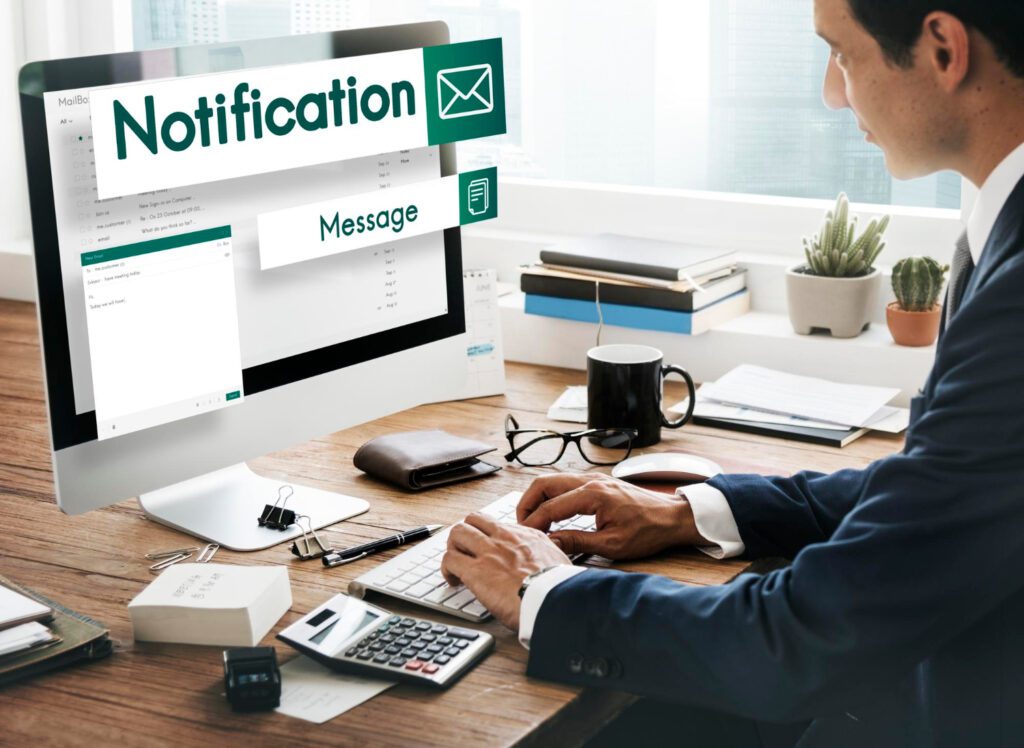
A Mumbai-based fintech startup implemented hyper-personalized notifications and in-app messaging based on user behavior. Results within 6 months:
- 50% increase in user engagement
- 35% rise in new account signups
- 20% higher retention rates
This example demonstrates how even small startups can leverage personalization for measurable growth.
Conclusion
For growing startups, hyper-personalized marketing campaigns are no longer optional—they are a necessity. By using data, AI, and automation, startups can increase engagement, improve conversions, and build long-term loyalty. Companies that fail to personalize their marketing risk losing relevance in a highly competitive market.
To start implementing hyper-personalized campaigns, explore our Digital Marketing & Ads services or contact us today.