
Introduction
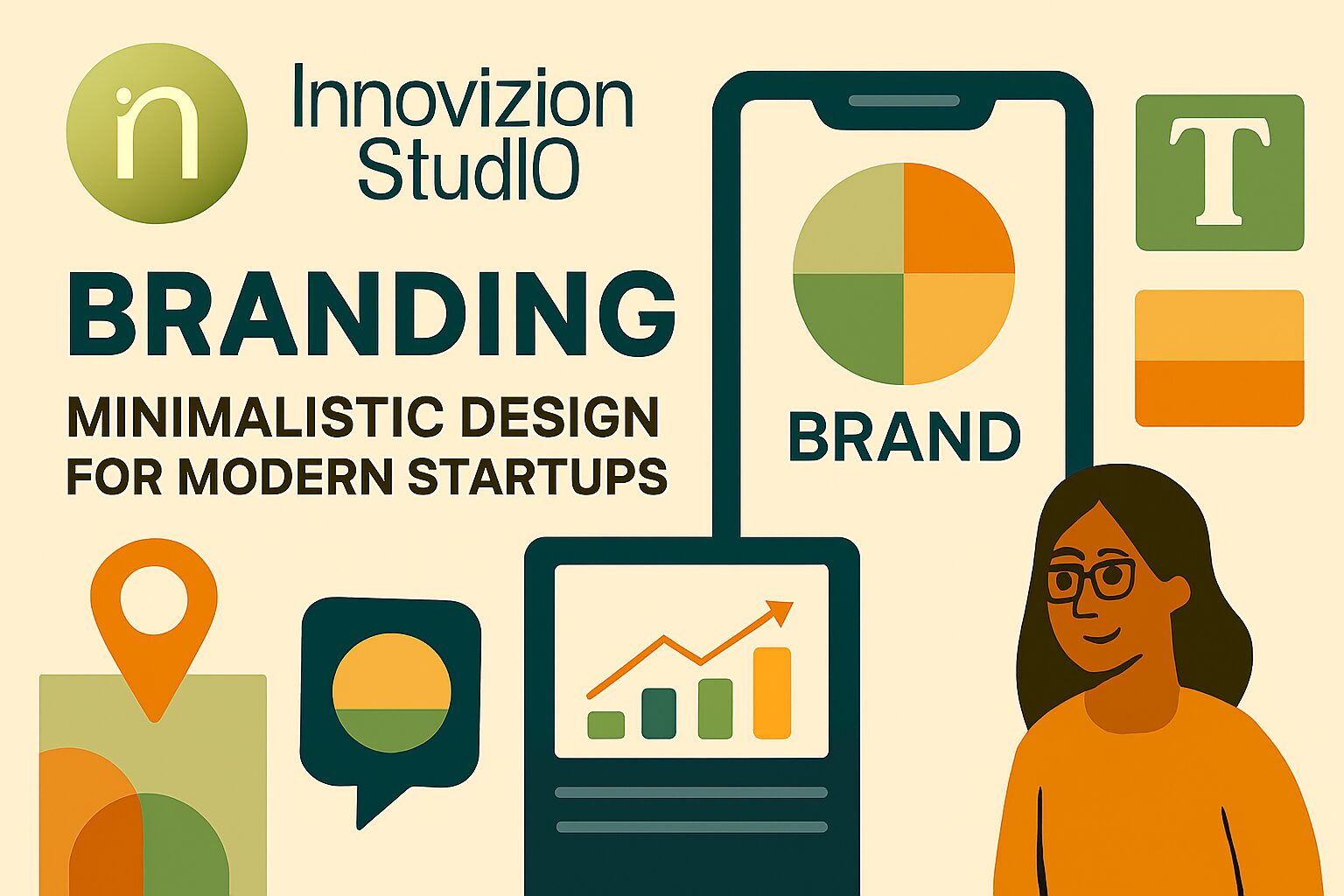
In today’s fast-paced digital landscape, minimalist design has emerged as a powerful tool for startups looking to establish a strong brand identity. Minimalism emphasizes clarity, simplicity, and focus, stripping away unnecessary elements to create a clean, memorable, and impactful visual experience. For startups, this approach can be the difference between standing out in a crowded market or getting lost among competitors.
The beauty of minimalist design lies in its ability to communicate brand values efficiently. By using clean lines, limited color palettes, and concise messaging, startups can convey professionalism, trustworthiness, and modernity. For instance, a Bengaluru-based SaaS startup redesigned its website with minimalist design principles. Within three months, the company noticed a 40% increase in user engagement and a 25% boost in lead conversions due to the cleaner interface and simplified user journey.
Minimalist design also aligns perfectly with modern branding strategies, where clarity and consistency are essential. Busy consumers no longer have the patience to navigate cluttered visuals or excessive messaging. Instead, a clean, focused design allows users to instantly recognize the brand, understand its core message, and engage more effectively. According to Statista, startups that prioritize clear and consistent visual communication are 50% more likely to see higher brand recall among their target audience.
This blog explores the role of minimalist design in modern branding for startups, highlighting its key benefits, current trends, challenges, and strategies to implement effective minimalistic branding. By the end, you’ll understand how startups in India can leverage minimalist design to enhance their brand identity, improve customer engagement, and drive growth.
1. Enhances Brand Recognition
Minimalist design helps startups create a distinct and memorable visual identity. By focusing on core design elements like logos, typography, and color schemes, businesses can establish a recognizable brand presence across all platforms.
For example, a Delhi-based healthtech startup simplified its logo and website layout, resulting in a 30% increase in social media mentions as users found the brand easier to recognize and remember.
2. Improves User Experience
A clean, uncluttered design reduces cognitive load for users, making websites and apps more intuitive and easier to navigate. Startups that implement minimalist interfaces often see higher engagement and lower bounce rates.
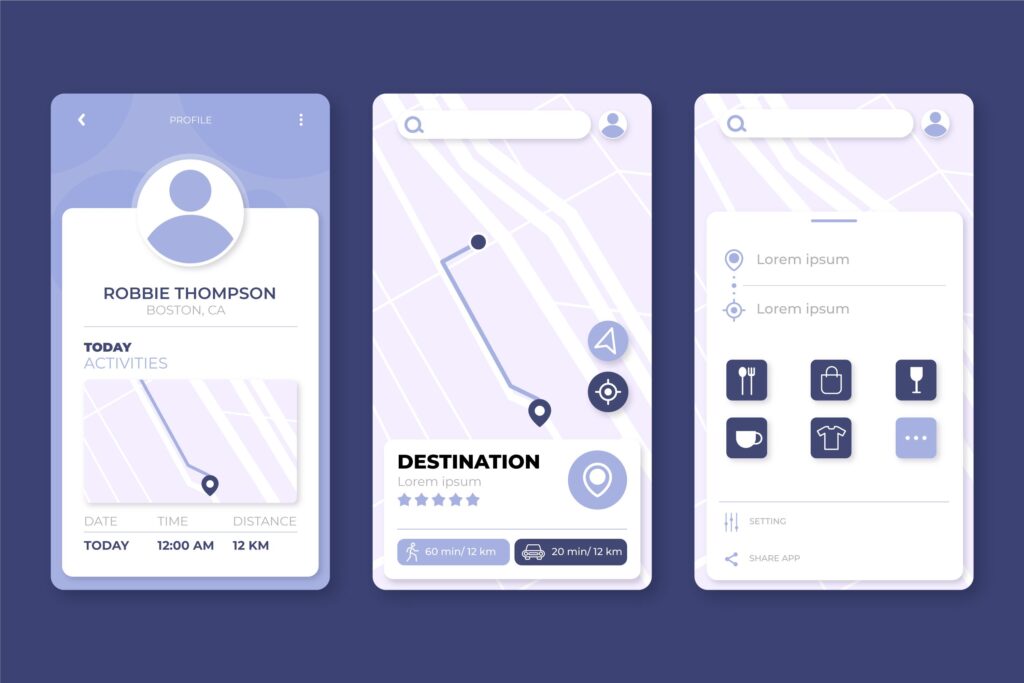
A Mumbai-based fintech startup adopted minimalist design for its mobile app interface, streamlining menus and reducing visual clutter. This led to a 20% increase in daily active users.
3. Builds Trust and Credibility
Minimalist design conveys professionalism and reliability. Startups that present themselves with clean, consistent visuals are more likely to gain trust from potential customers and investors.
For instance, a Pune-based edtech startup revamped its website with a minimalistic approach, highlighting key services and testimonials. The result was a 15% increase in inquiry forms submitted.
4. Supports Modern Branding Strategies
In modern branding, less is often more. Minimalist design aligns with brand strategies that emphasize clarity, consistency, and emotional resonance. It allows startups to focus on messaging without overwhelming the audience with unnecessary graphics.
Startups can implement minimalist principles across digital and offline channels, from websites and social media to brochures and presentations, ensuring a cohesive brand experience.
5. Boosts Conversion Rates
Clutter-free design allows startups to highlight key calls-to-action (CTAs) effectively. Users are guided smoothly through the customer journey without distractions, increasing the likelihood of conversions.
A Bengaluru-based SaaS startup used minimalist design for its landing pages, emphasizing CTA buttons and product benefits. Within two months, they reported a 25% increase in sign-ups.
6. Facilitates Faster Loading Times
Minimalist websites with fewer elements load faster, improving user experience and SEO performance. This is crucial for startups targeting mobile-first users in India’s Tier-1 and Tier-2 cities.
Startups that optimize images, typography, and layout according to minimalist principles benefit from faster load times, reduced bounce rates, and better search engine rankings.
7. Encourages Consistency Across Platforms
Minimalist design principles make it easier to maintain visual consistency across multiple platforms. From websites and apps to social media graphics, a simple and uniform design language reinforces brand identity.
A Delhi-based e-commerce startup implemented a minimalist style across its website, Instagram, and email campaigns. The cohesive visuals led to higher brand recall and stronger engagement metrics.
Conclusion
For startups in 2025, minimalist design is more than a trend—it is a strategic approach to modern branding. By focusing on clarity, simplicity, and core messaging, startups can enhance brand recognition, improve user experience, build trust, and boost conversions.
Startups that embrace minimalist principles not only create visually appealing brands but also establish stronger connections with their audience, paving the way for sustainable growth. To implement minimalistic branding strategies that drive results, explore our Branding & Design services or contact us today.